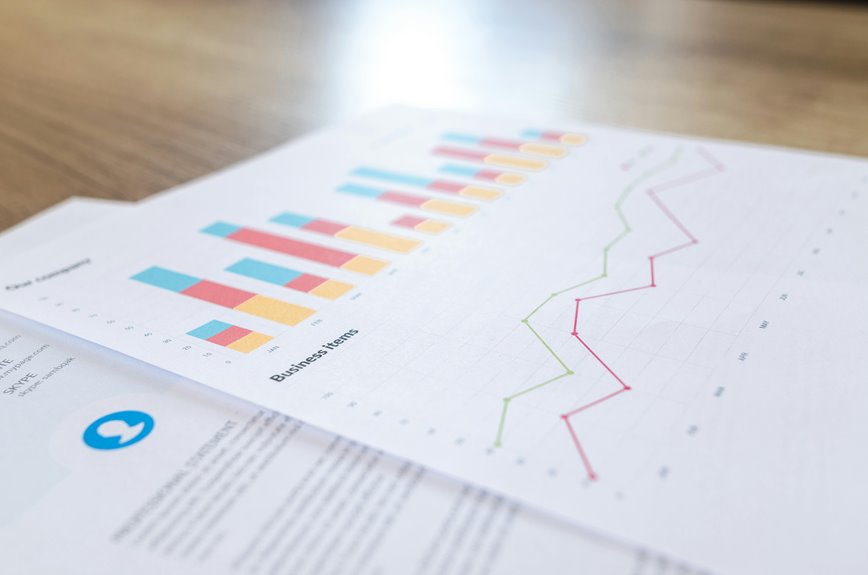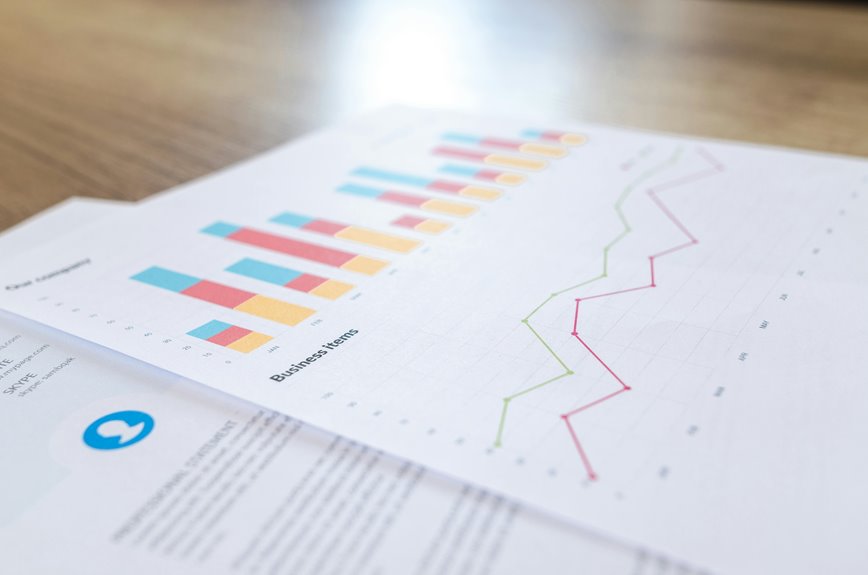






The account activity profile for the specified accounts reveals significant variances in transaction behaviors. Some accounts demonstrate high levels of engagement, while others indicate minimal activity. This disparity raises questions about user interaction and potential barriers to consistent usage. Further analysis could illuminate underlying factors affecting these patterns, prompting considerations for strategic enhancements in user experience and engagement methodologies. Understanding these dynamics is crucial for informed account management decisions.
Overview of Account Activity Patterns
The analysis of account activity patterns reveals significant insights into user behavior and engagement levels.
Notably, transaction frequency serves as a crucial metric, illustrating variations in account usage. High transaction frequency often correlates with increased user engagement, while infrequent activity may indicate disengagement or potential barriers to usage.
Understanding these patterns empowers stakeholders to foster greater user autonomy and satisfaction in their digital interactions.
User Engagement Insights
User engagement insights provide a deeper understanding of how account activity translates into meaningful interactions with the platform.
By analyzing user demographics alongside engagement metrics, one can identify patterns that enhance user experience and satisfaction.
This analysis allows for the development of targeted strategies, fostering a sense of autonomy among users while optimizing engagement levels across diverse demographic segments.
Security Risk Assessment
How can organizations effectively identify and mitigate potential vulnerabilities within their account activity?
A thorough security risk assessment is essential, employing robust threat detection methodologies.
By systematically analyzing account interactions and identifying anomalies, organizations can enhance risk mitigation strategies.
This proactive approach fosters a secure environment, ensuring that potential weaknesses are addressed before they can be exploited, ultimately safeguarding organizational integrity and user freedom.
Recommendations for Account Management
Identifying vulnerabilities through a security risk assessment sets the stage for effective account management strategies.
Implementing rigorous account balancing practices alongside meticulous budget tracking allows stakeholders to maintain financial integrity.
Regular reviews of account activities can uncover discrepancies, fostering a proactive approach to financial health.
These measures empower users to exercise control over their finances, promoting both accountability and informed decision-making.
Conclusion
In the intricate tapestry of user engagement, the diverse account activity profiles symbolize the varied journeys of each user. Some accounts, like vibrant threads woven tightly, reflect robust participation, while others, frayed and distant, hint at potential barriers to connection. This analysis illuminates the necessity for tailored strategies, akin to a skilled gardener nurturing each unique plant, ensuring that every demographic flourishes. By fostering engagement, organizations can transform these accounts from mere data points into thriving ecosystems of user satisfaction.