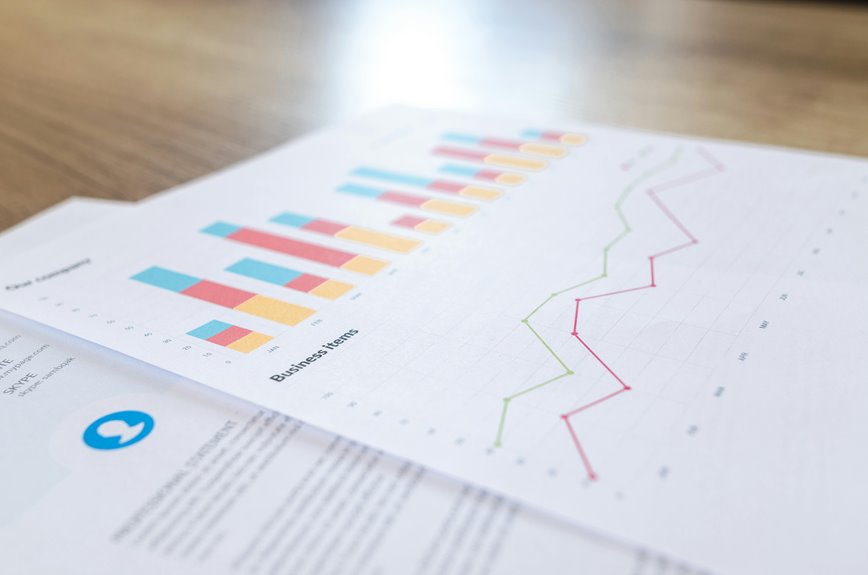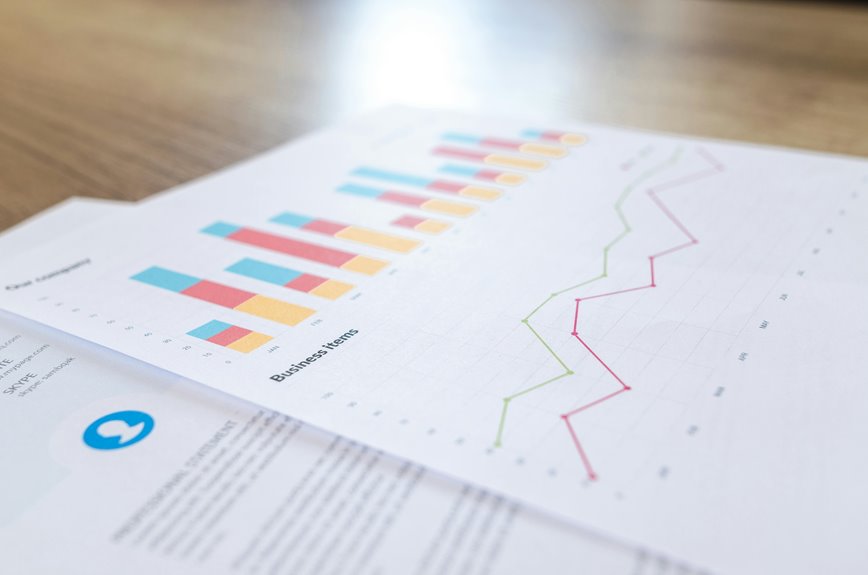






The Resource Utilization Sheet for identifiers such as 6950559926 and 910371606 plays a critical role in monitoring project resources. It provides insights into cost efficiency and resource allocation effectiveness. By focusing on metrics like utilization rates and completion timelines, organizations can pinpoint areas for improvement. However, the effectiveness of these sheets often hinges on the strategies employed for analyzing the data. What approaches can enhance these systems further?
Importance of Resource Utilization Tracking
While many organizations recognize the necessity of managing their resources, the importance of resource utilization tracking cannot be overstated.
Effective tracking enables resource optimization, ensuring that assets are allocated efficiently. Furthermore, it serves as a crucial component of performance measurement, allowing organizations to assess productivity and identify areas for improvement.
Ultimately, accurate resource utilization tracking fosters informed decision-making and enhances operational freedom.
Key Metrics for Analyzing Resource Allocation
Accurate resource utilization tracking lays the groundwork for identifying key metrics that are vital for analyzing resource allocation.
Essential metrics such as cost per unit, resource utilization rates, and project completion timelines provide insights into efficiency.
Metric analysis facilitates informed decision-making, enabling organizations to optimize resource allocation, enhance productivity, and ultimately achieve operational freedom while ensuring that resources are deployed effectively and strategically.
Strategies for Improving Resource Efficiency
Effective strategies for improving resource efficiency are crucial for organizations aiming to maximize output while minimizing waste.
Implementing resource optimization techniques, such as process automation and waste reduction practices, enhances efficiency enhancement.
Moreover, adopting data-driven decision-making facilitates better allocation of resources.
Case Studies: Successful Implementation of Resource Utilization Sheets
Although many organizations face challenges in resource management, several case studies illustrate the successful implementation of Resource Utilization Sheets as a transformative tool.
These sheets enable effective resource optimization through data visualization, allowing teams to identify inefficiencies and allocate resources more strategically.
Notable examples include firms that reported increased productivity and reduced operational costs, underscoring the value of structured resource management practices.
Conclusion
In conclusion, the juxtaposition of effective resource allocation against the backdrop of inefficiencies highlights the critical role of resource utilization sheets. While organizations may struggle with resource wastage, those that implement systematic tracking can transform potential setbacks into opportunities for improvement. By embracing key metrics and strategic enhancements, businesses can navigate the complexities of project management, ultimately achieving not only reduced costs but also enhanced operational performance. This duality underscores the necessity of continuous evaluation in resource management.